

Mold in Water Filters: Are You Drinking Contaminated Water?
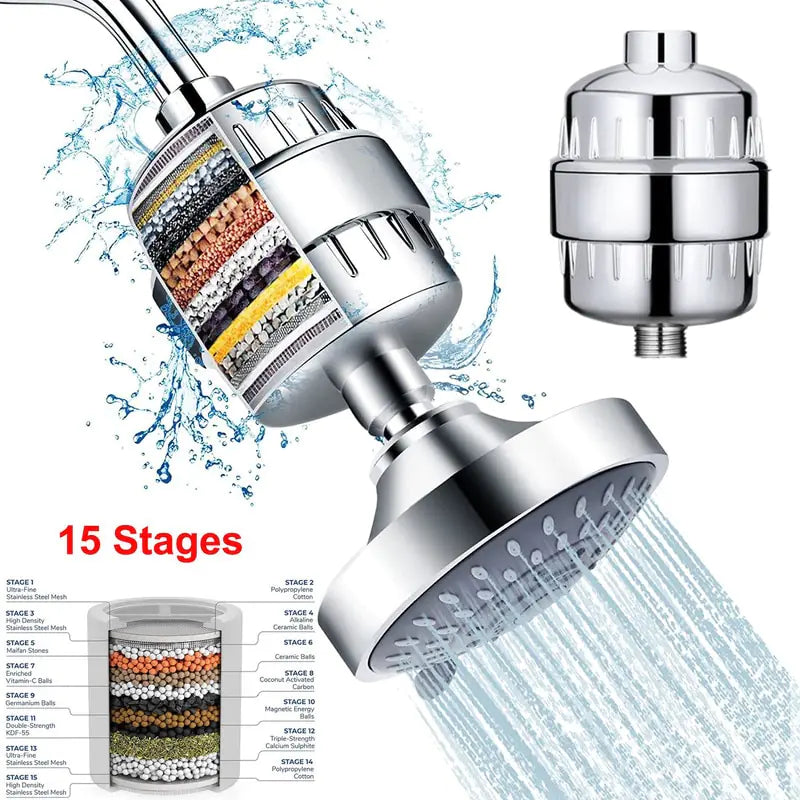
Mold sometimes grows in fridge water filters or dispensers. It turns a helpful part into a potential problem. Damp conditions inside let mold start. People notice bad taste or smell first. Mold can make water unsafe if ignored. Regular checks and changes keep things clean. Many sources warn about this hidden issue in refrigerators.
How to Prevent Mold Growth in Water Filters: Maintenance Tips for Safe Water
Prevent mold with simple habits. Change the filter every six months or as your manual says. Flush new filters by running water for a few minutes after install. Wipe the dispenser nozzle weekly with a vinegar-water mix. Keep the fridge door sealed tight to control humidity. Use the dispenser often so water does not sit still. Clean the housing with mild bleach solution when you swap filters. Dry parts fully before putting them back.
What is mold?
Mold acts as a type of fungus. It grows in damp, dark spots with food like trapped particles. Spores float in air and land on wet surfaces. In filters mold forms slimy layers or spots. Common types include black, green, or white. It spreads fast in moist areas. Mold releases spores that cause smells or health reactions in some people.
Signs of mold growth in your water filter
Look for these clear signs.
-
Musty or earthy smell in water or ice.
-
Bad taste like mold or metal.
-
Black, green, or white spots on filter or housing.
-
Cloudy or discolored water.
-
Black flecks or stringy bits in dispensed water.
-
Slow flow from dispenser.
-
Foul odor near the spout.
These show up when mold builds up inside.
Why mold grows in water filters: Common causes
Mold grows because filters stay wet all the time. Stagnant water sits without use. Old filters trap dirt and minerals that feed mold. Low airflow in the housing helps it thrive. Infrequent changes let buildup happen. Poor cleaning of the dispenser or lines adds moisture. High humidity in the fridge makes conditions worse.
Preventive maintenance tips to avoid mold growth
Follow these tips to stop mold.
-
Replace the filter on schedule every six months.
-
Flush the system after each change.
-
Clean the dispenser spout weekly with a vinegar solution.
-
Run water often to keep the flow fresh.
-
Sanitize housing with a diluted bleach rinse.
-
Dry filter area after cleaning.
-
Check for leaks in water lines.
These steps cut moisture and food for mold.
Additional best practices for mold-free water filters
Use certified filters from trusted brands. Avoid leaving old filters in place too long. Store spare filters in dry spots. Monitor water quality changes. Clean ice bin and lines regularly. Consider bypass if you rarely use the dispenser. Test tap water if mold keeps coming back. These habits add extra protection.
Conclusion
Mold in water filters happens from moisture and neglect. It affects taste, smell, and safety. Regular replacement and cleaning prevent most issues. Watch for signs like bad odor or spots. Clean dispensers and flush systems often. Safe water comes from simple maintenance. Stay on top of it to avoid contaminated drinks.


